Common Reasons Phones Overheat In Alice Springs’ Hot Weather
If your phone's ever felt uncomfortably hot in your hand, shut down unexpectedly on a 40-degree day, or started lagging the moment you stepped outside, you're not imagining it. Alice Springs' desert climate puts genuine, sustained thermal stress on phones that milder climates simply don't produce, and understanding why helps you protect your device rather than accidentally making the problem worse.
Why Phones Overheat More in Alice Springs Than Elsewhere
Every phone generates heat internally just from normal use, the processor, battery and screen all produce warmth during everyday operation. In most parts of Australia, ambient temperature gives that heat somewhere to go. In Central Australia, summer days regularly climb well into the high 30s and 40s, and a car interior or direct sun exposure can push the surface a phone sits on considerably hotter still.
When the environment around the phone is already hot, there's nowhere for that internal heat to dissipate to, and the device starts running warmer than it's designed to handle.
Direct Sun and Car Interiors
This is the single most common cause of serious overheating we see. A phone left on a car dashboard, in direct sunlight through a window, or sitting on an outdoor table in full sun can reach genuinely damaging internal temperatures within minutes, not hours. Car interiors in particular act like a greenhouse, trapping heat far beyond the outside air temperature.
If your phone has ever shown a "temperature warning" and refused to charge or use the camera, that's the device's built-in protection kicking in, and it's a clear sign the phone has been exposed to conditions it wasn't designed to tolerate.
Charging in Hot Conditions
Charging generates its own heat as a normal part of the process, and combining that with an already-hot environment compounds the problem quickly. Charging a phone in direct sun, inside a hot car, or even just in a warm room during a heatwave puts additional strain on the battery at exactly the point it's already working harder than usual.
This is one of the more overlooked causes of heat damage, since people often don't think twice about plugging a phone in wherever's convenient, without considering that the immediate environment is already pushing the device toward its thermal limit.
Heavy Use During Hot Weather
Demanding tasks, video streaming, gaming, GPS navigation, or extended camera use, all generate more internal heat than everyday tasks like texting or browsing. On a normal day, this is rarely an issue. On a genuinely hot Alice Springs day, particularly if the phone is also sitting in a warm car or bag, heavy use adds heat on top of an already elevated baseline, and that combination is what tips many phones into overheating territory.
Protective Cases and Poor Airflow
A thick or heavily insulated phone case, while great for drop protection, can trap heat against the device rather than letting it escape. In genuinely hot conditions, this insulating effect works against you, holding warmth in exactly when the phone needs to be shedding it. It's worth being mindful of this trade-off during the hottest months, even if the case stays on year-round the rest of the time.
Ageing or Damaged Batteries
A battery that's already ageing or has sustained previous heat damage is considerably more prone to overheating under the same conditions than a healthy battery. Heat exposure and battery degradation feed into each other, a battery weakened by previous heat stress runs hotter under normal use, which in turn accelerates further degradation. This is exactly the kind of underlying issue that isn't obvious from the outside, and it's why a phone that's overheated once in the past may be more prone to doing it again.
Why DIY Fixes Aren't the Answer
It's tempting to try to fix an overheating phone yourself, freezing it, opening the case, or continuing to use it once it's cooled down slightly. None of these genuinely address the underlying issue, and some carry real risk. A damaged or swelling battery, in particular, isn't something to handle without proper training, since punctured or improperly handled lithium batteries can pose a fire risk.
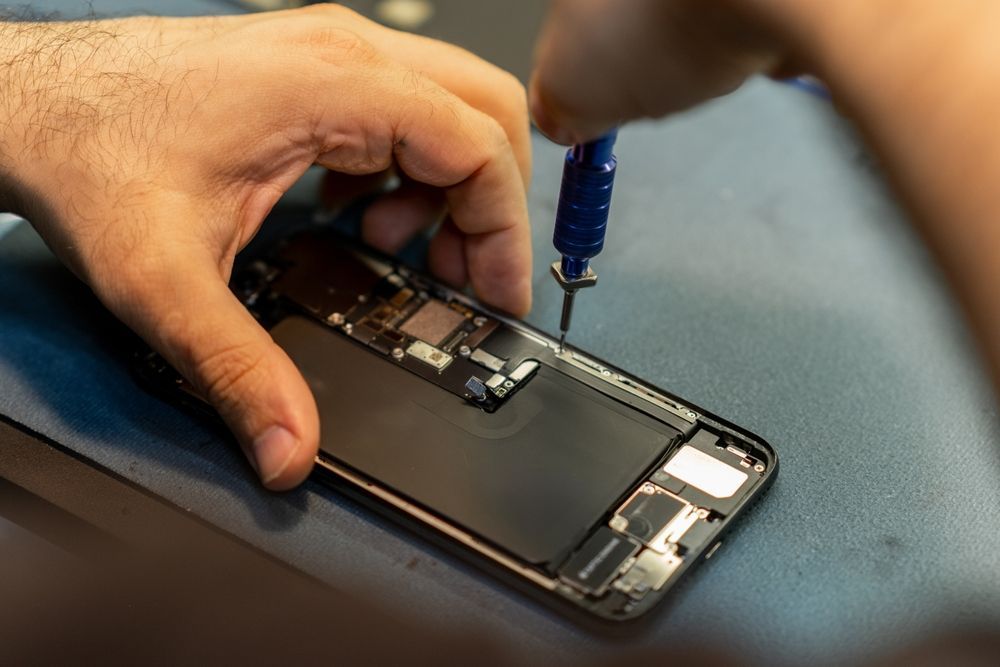
If your device has overheated seriously, shown a temperature warning, feels unusually hot even during light use, or you've noticed any swelling around the battery, that's the point to bring it in for a
phone repair in Alice Springs rather than attempt a fix at home.
Get Local, Territory-Owned Advice on Overheating Issues
Phone Hut has been providing trusted phone repairs in Alice Springs and honest, no-jargon advice to locals since 2010. Our team can properly assess whether your phone's overheating issue is environmental, related to battery health, or something else entirely, and explain your options clearly before recommending any repair.
If your phone's been struggling with the heat this summer, or you're noticing warning signs like unexpected shutdowns or a battery that drains faster than it used to, get in touch with our friendly team on (08) 8953 3663 or drop into our Alice Springs store.
FAQs
Is it dangerous to keep using a phone that's overheating?
It's best to stop using the phone and let it cool in a shaded, cooler spot once you notice it's hot or a temperature warning appears. Continuing heavy use while a phone is overheating can accelerate battery damage and, in more serious cases, pose a safety risk.
Should I take my phone's case off in hot weather?
It can help, particularly with thicker or more insulating cases, since removing it allows heat to dissipate more easily. This is worth considering during the hottest months, even if you prefer to keep the case on the rest of the year.
Can heat damage permanently affect my phone's battery?
Yes, repeated heat exposure can accelerate battery degradation over time, meaning a phone that's overheated in the past may hold less charge or be more prone to overheating again in future.
Is it safe to charge my phone in a hot car?
It's best avoided where possible. Charging generates its own heat, and combining that with an already hot car interior puts extra strain on the battery, increasing the risk of overheating or long-term damage.
What should I do if my phone's battery looks swollen?
Stop using and charging the phone immediately, and bring it to a professional for assessment rather than attempting to handle it yourself. A swollen battery can be a genuine safety hazard if mishandled.